
Do Glocks Have a Safety? Complete Guide to Glock Safety Systems
Introduction, Do Glocks Have a Safety
One of the most frequently asked questions about Glock pistols is: Do Glocks have a safety?
The short answer is yes — Glock pistols do have safety mechanisms. However, unlike many traditional handguns, most Glock models do not have an external manual safety lever. Instead, pistols manufactured by Glock use an internal safety system designed to prevent accidental discharge while keeping the pistol simple and easy to operate.
This design approach has made Glock pistols some of the most widely used handguns in the world, including popular models such as the Glock 17, Glock 19, and Glock 43X.
In this guide, we will explain everything you need to know about Glock safety systems, including:
• how Glock safeties work
• the Safe Action system
• trigger safety mechanisms
• internal safeties
• differences between Glock and other pistols
• common misconceptions about Glock safety.
If you want to learn about Glock pistols in general, start with our main guide.
Do Glocks Have a Safety
⸻
Understanding Firearm Safety Systems
Before discussing Glock pistols specifically, it is helpful to understand how firearm safety systems work.
Most handguns use one or more of the following safety mechanisms:
• manual external safety levers
• trigger safeties
• firing pin blocks
• drop safeties.
These mechanisms are designed to prevent the firearm from firing unless the trigger is intentionally pulled.
Different firearm manufacturers use different combinations of these safety systems. Do Glocks Have a Safety
⸻
Do Glocks Have a Manual Safety?
Most Glock pistols do not have a traditional external manual safety lever.
Instead of requiring the user to manually switch a safety on or off, Glock pistols rely on an internal system known as the Safe Action System.
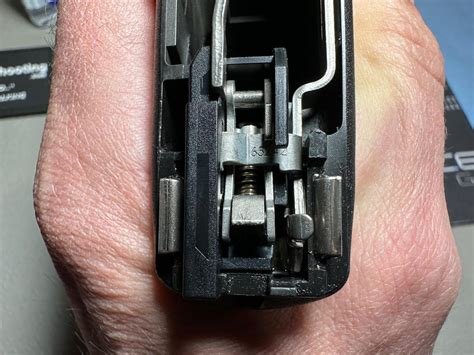
This system includes multiple passive safety mechanisms that automatically engage when the trigger is not being pulled.
Because of this design, Glock pistols are ready to fire when the trigger is pulled, but remain protected against accidental discharge when handled properly.
Do Glocks Have a Safety
⸻
The Glock Safe Action System
The Safe Action System is the core safety design used by Glock pistols.
This system consists of three independent safety mechanisms that work together.
These safeties automatically engage after every shot and remain active until the trigger is intentionally pulled.
The three safeties include:
1. Trigger safety
2. Firing pin safety
3. Drop safety.
Do Glocks Have a Safety
Together, these systems help ensure that Glock pistols fire only when the trigger is deliberately pressed.
⸻
Trigger Safety Explained
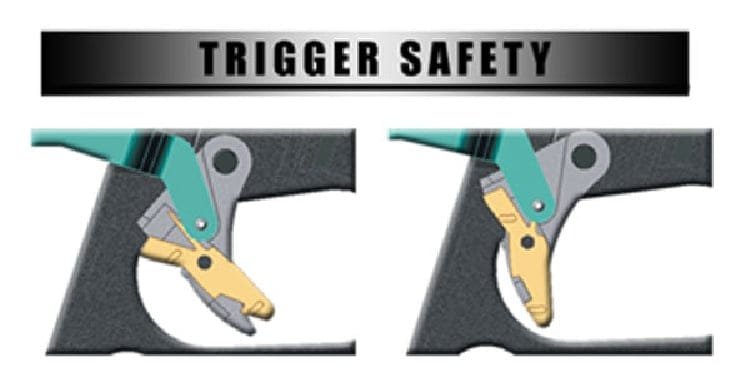
The trigger safety is one of the most visible safety mechanisms on Glock pistols.
It consists of a small lever built directly into the trigger.
When the pistol is at rest, the trigger cannot move backward unless the trigger safety is pressed at the same time.
This means the trigger must be pulled intentionally for the pistol to fire.
Benefits of the trigger safety include:
• prevention of accidental trigger movement
• protection against objects snagging the trigger
• additional security during handling.
Do Glocks Have a Safety
⸻
Firing Pin Safety
Another important component of the Safe Action system is the firing pin safety.
This safety consists of a spring-loaded plunger inside the slide that blocks the firing pin from moving forward.
When the trigger is pulled, the trigger bar pushes the plunger upward, allowing the firing pin to move forward and strike the cartridge.
If the trigger is not pulled, the firing pin remains blocked.
This helps prevent accidental discharge if the pistol is dropped or impacted.
Do Glocks Have a Safety
⸻
Drop Safety Mechanism
The third safety mechanism in Glock pistols is the drop safety.
This safety prevents the firing pin from releasing unless the trigger is pulled fully to the rear.
If the pistol is dropped or struck, the drop safety helps prevent the firing pin from moving forward and firing a round.
Together with the trigger safety and firing pin safety, this mechanism adds an additional layer of protection.
⸻
Why Glock Pistols Do Not Use External Safeties
One of the design philosophies behind Glock pistols is simplicity.
When Gaston Glock developed the original Glock 17, the goal was to create a handgun that was:
• simple to operate
• reliable under harsh conditions
• easy to maintain.
Removing the external safety lever simplified the design and reduced the number of parts.
This also allows the pistol to be used more quickly in situations where immediate use may be necessary.
Do Glocks Have a Safety
⸻
Glock Safety Compared With Other Pistols
Many other handgun manufacturers use external manual safeties.
Examples include pistols produced by companies such as:
• SIG Sauer
• Beretta
• Smith & Wesson.
Some pistols from these manufacturers require the user to disengage a safety lever before firing.
Glock pistols rely instead on internal safeties and proper trigger discipline.
⸻
Glock Safety in Popular Models
The Safe Action system is used across the Glock lineup.
Examples include:
• Glock 17
• Glock 19
• Glock 43X.
Each of these pistols includes the same three passive safety mechanisms.
🔗 Glock 17 Gen 5 Guide
🔗 Glock 43X Complete Guide
⸻
Are Glocks Safe to Carry?
When used properly, Glock pistols are considered safe to carry.
However, safe firearm handling practices are essential.
These include:
• keeping your finger off the trigger until ready to fire
• using a proper holster
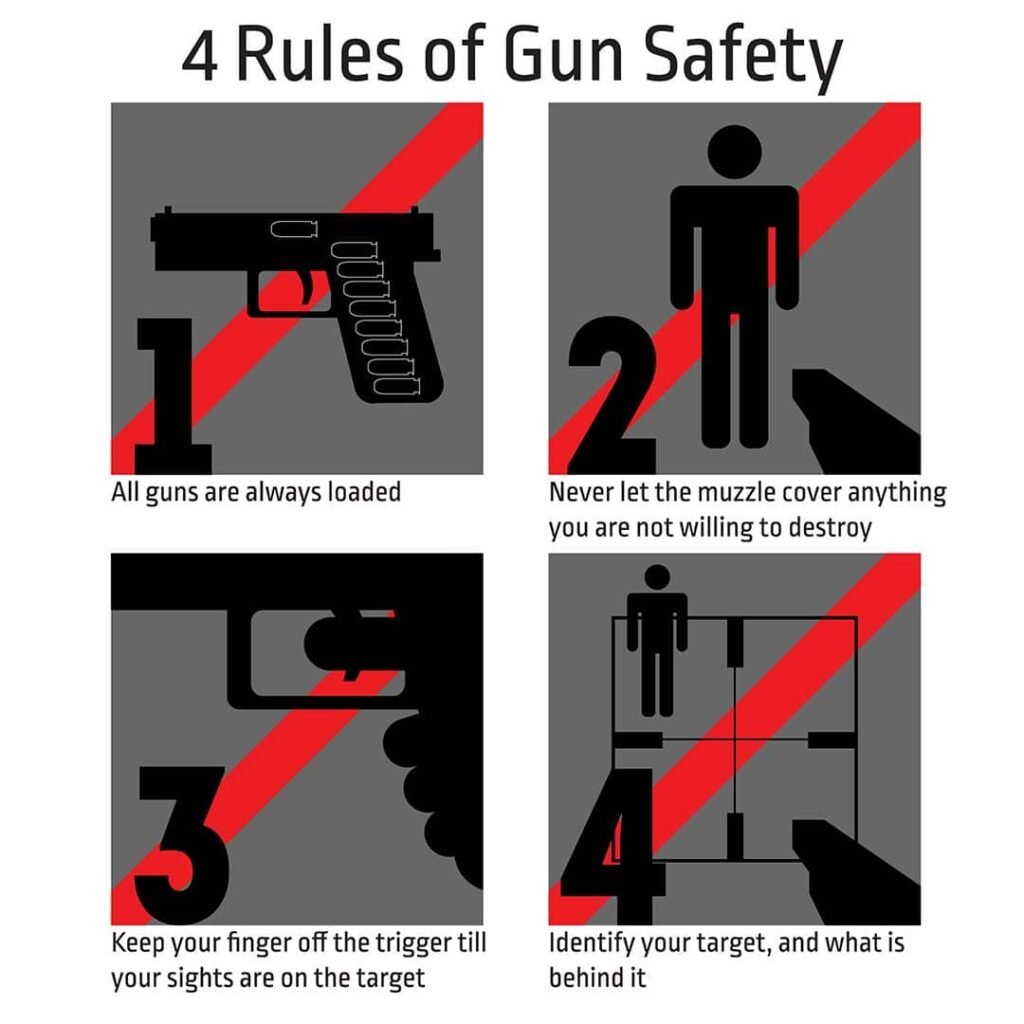
• following firearm safety rules.
Proper training and safe handling are critical for any firearm.